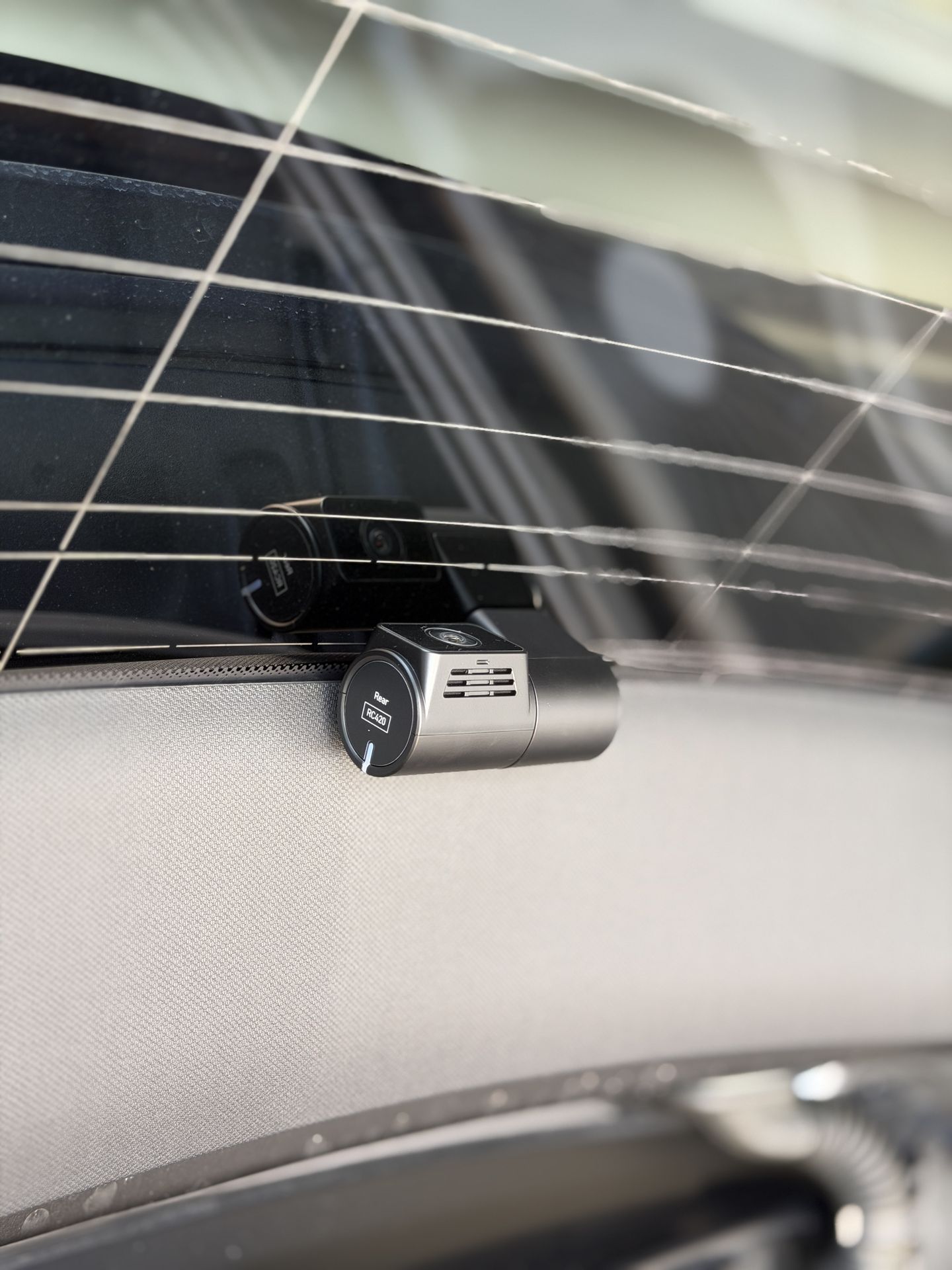
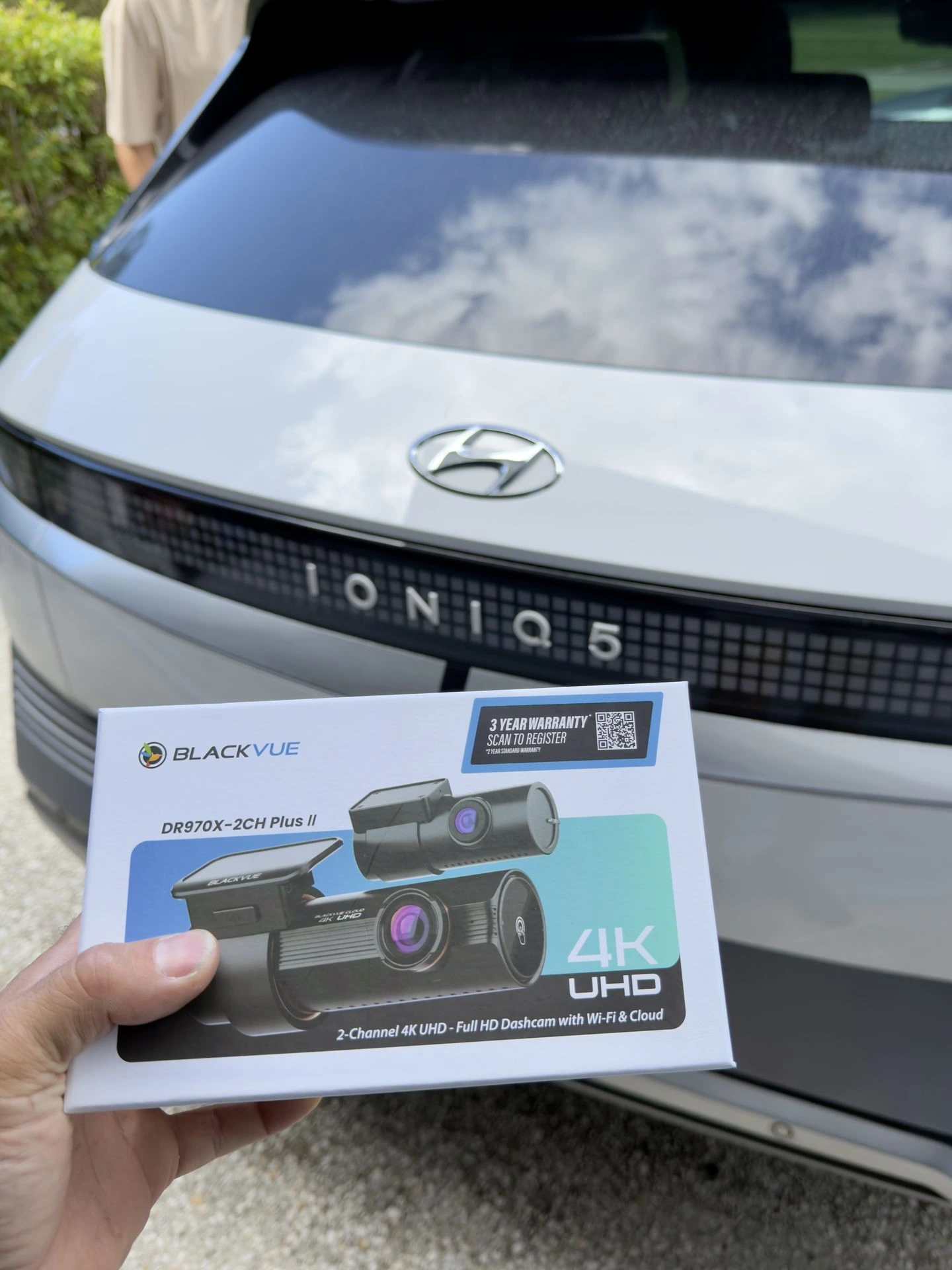
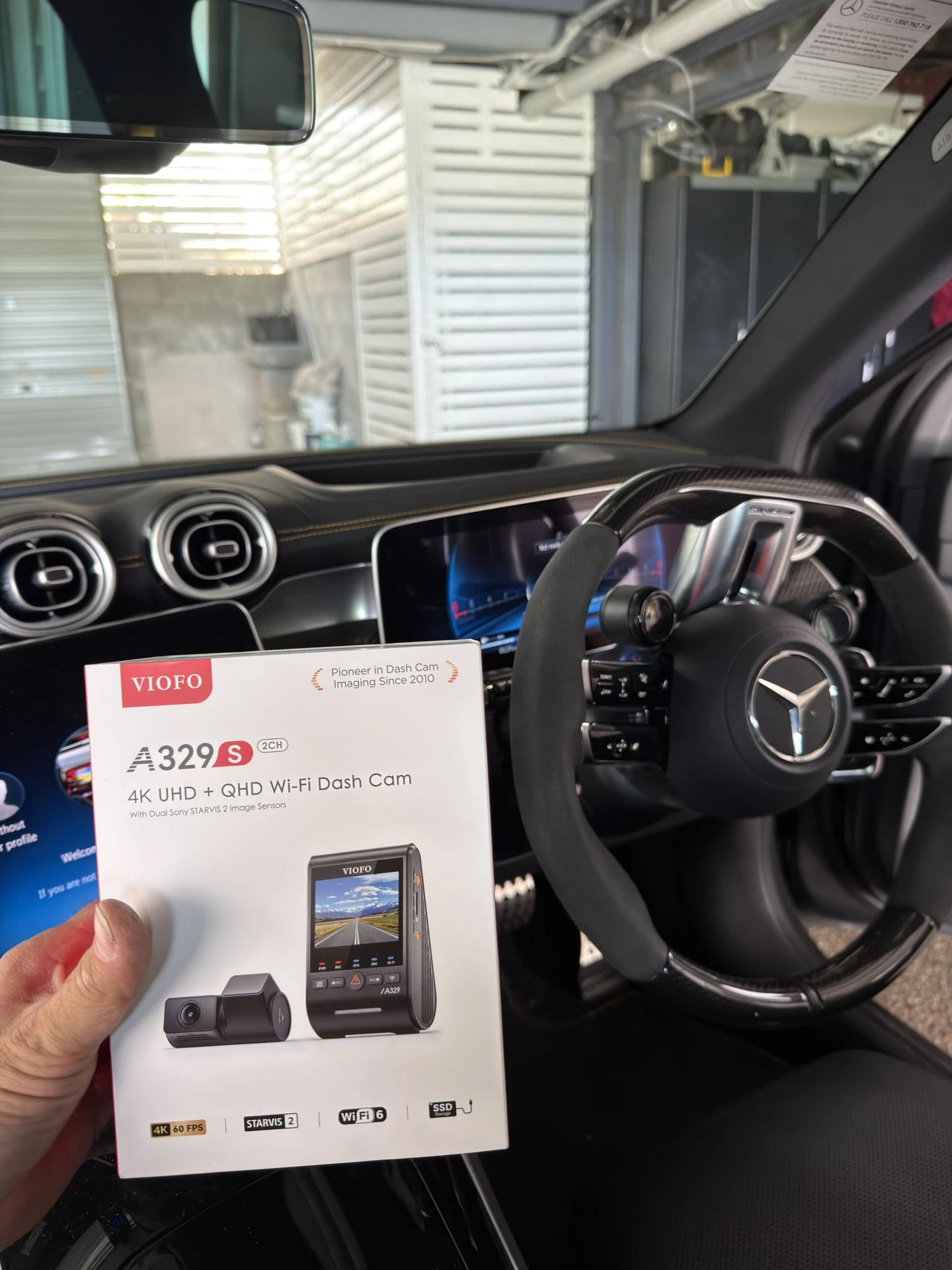
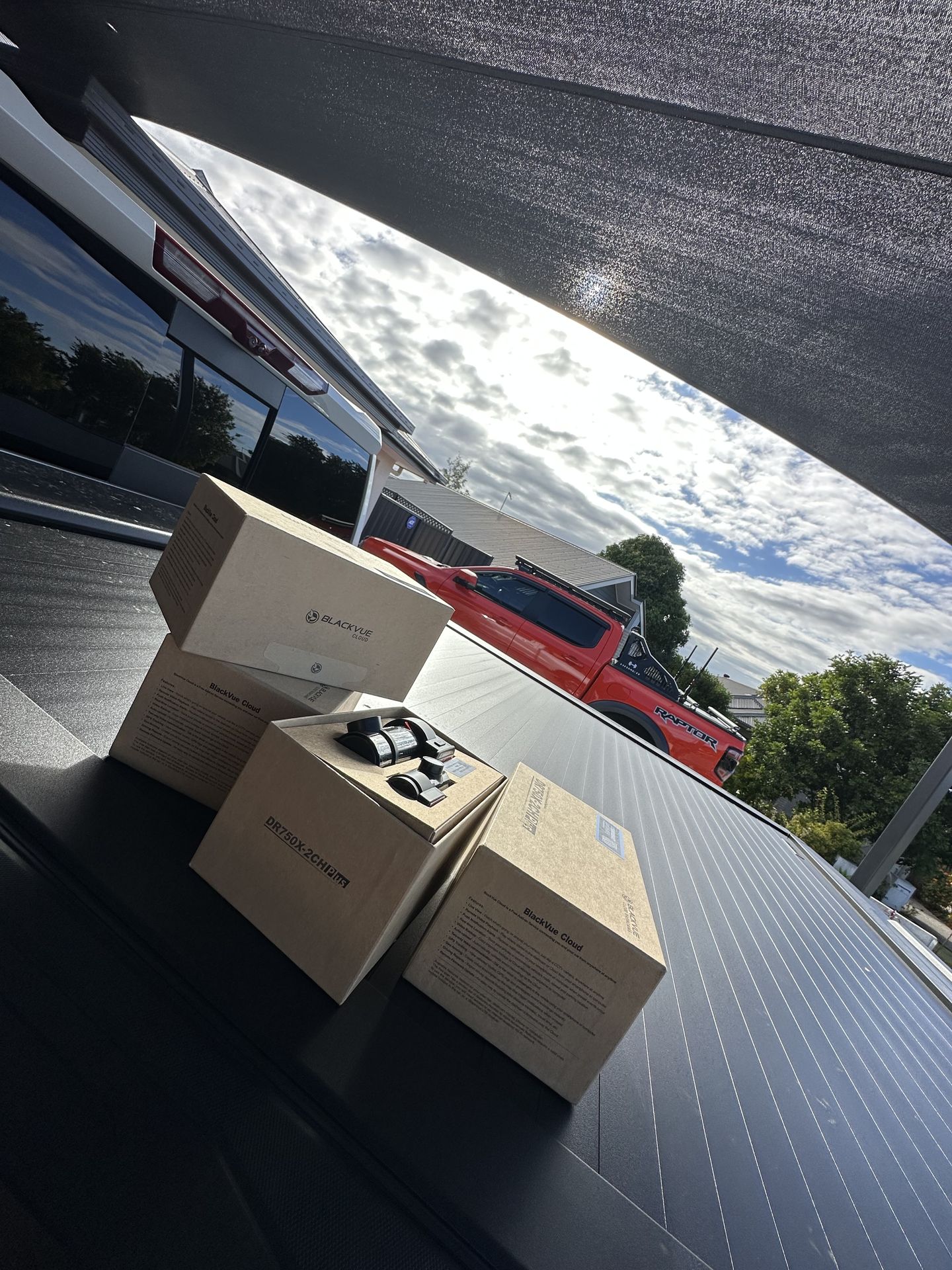
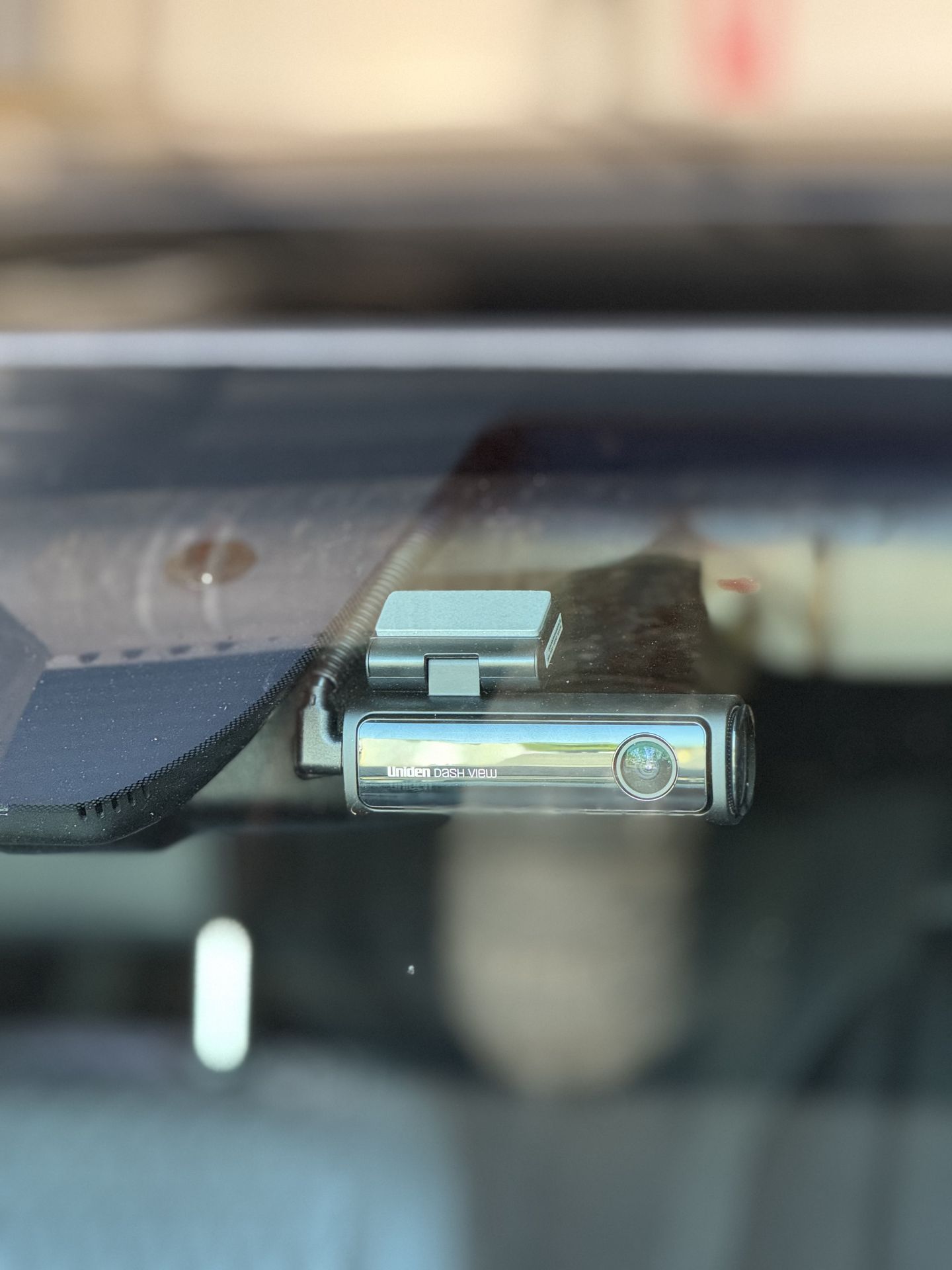
1 - Parking modes
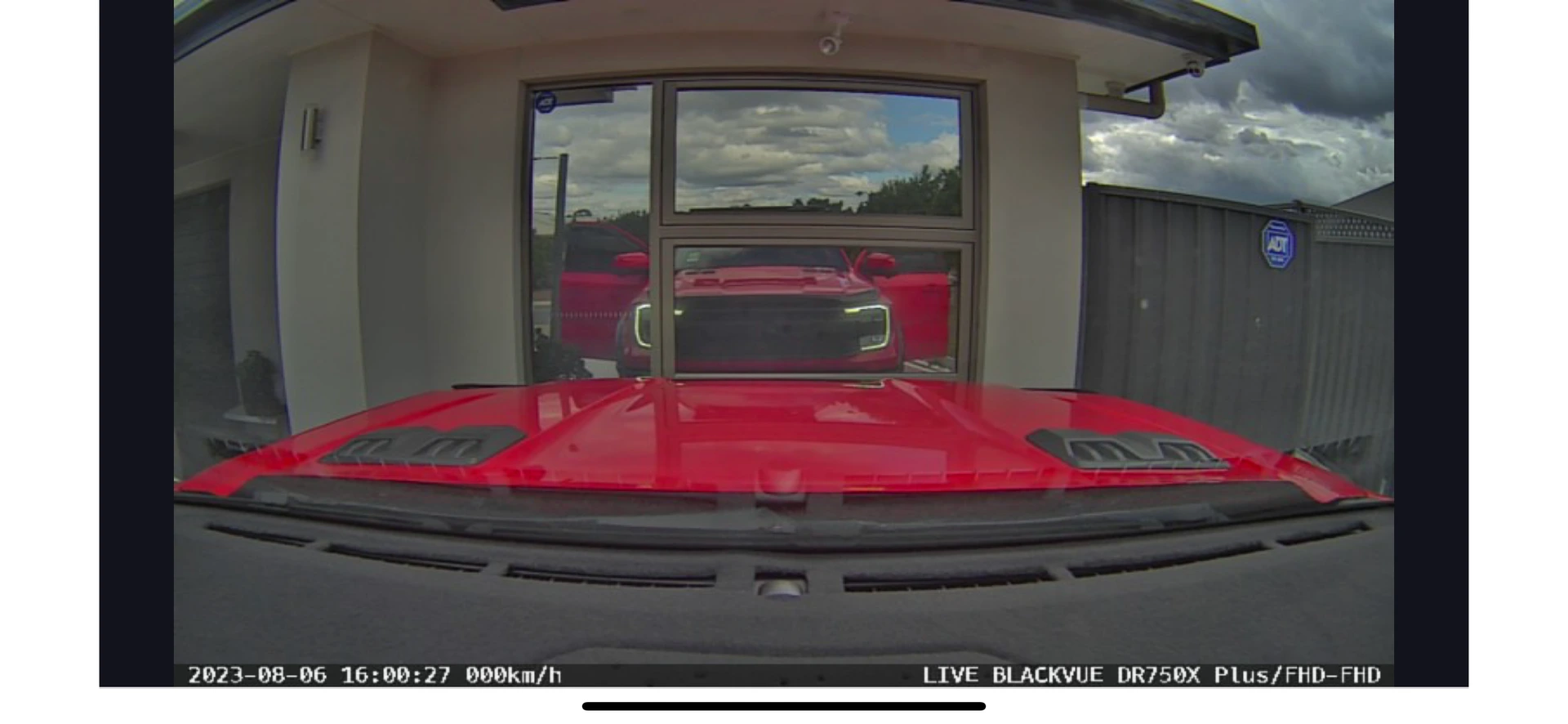
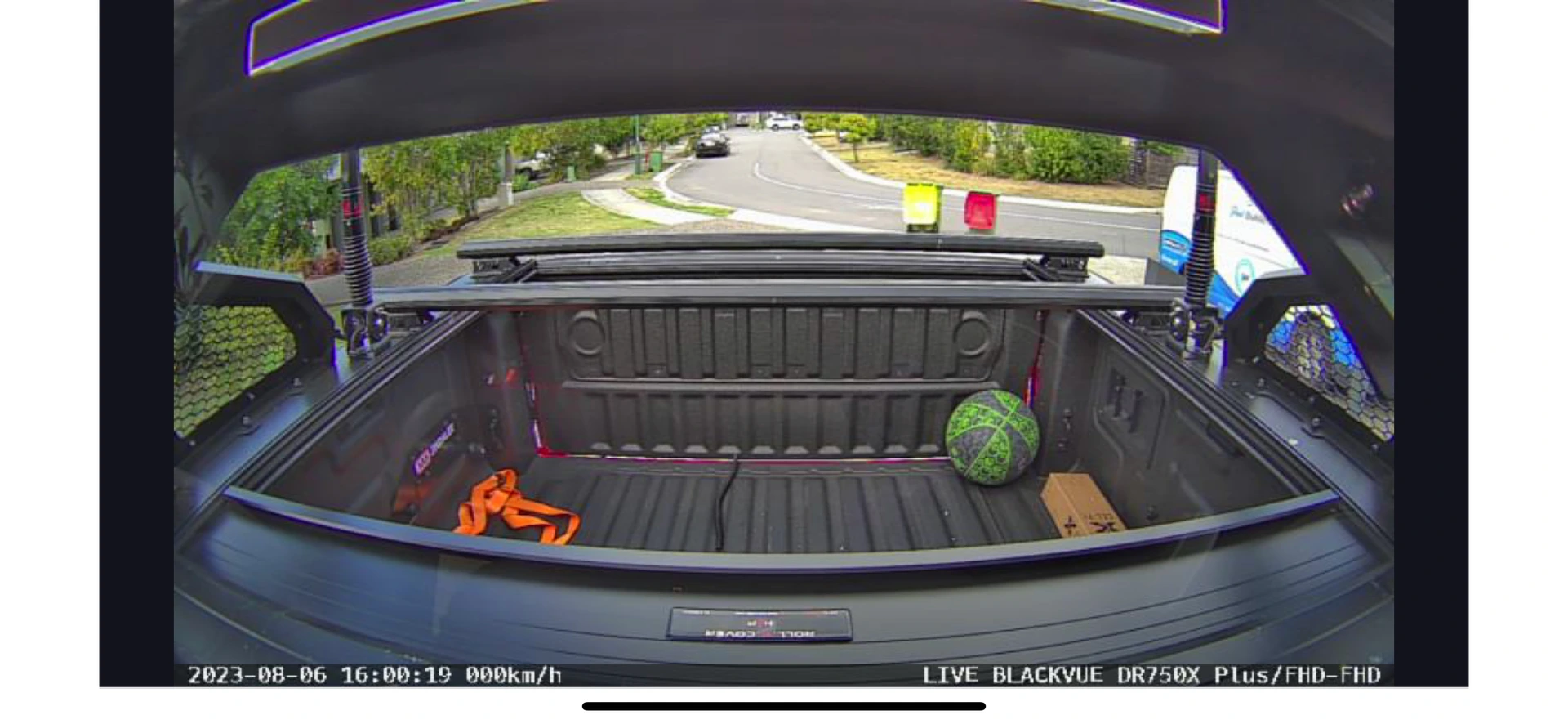
It's a dashcam feature that allows the camera to continue monitoring the vehicle while parked and the ignition is off by recording continuously, detecting motion, or triggering recording after an impact or vibration, helping capture incidents such as hit-and-runs, vandalism, theft attempts, or suspicious activity around the vehicle.
Impact detection
Impact detection parking mode keeps the dashcam in low-power standby while the vehicle is parked and automatically wakes the camera to record a protected video event when an impact or vibration is detected, helping capture incidents such as hit-and-runs, door knocks, or vandalism while using significantly less power than continuous motion-based recording modes.
Motion detection
Motion detection parking mode keeps the dashcam actively monitoring the surroundings while the vehicle is parked and automatically starts recording when movement is detected near the vehicle, helping capture people, vehicles, or suspicious activity around the car while offering more coverage at the expense of higher power consumption compared to impact-only parking modes. This mode is strongly recommended to be paired with an additional dashcam battery pack, especially on EV and HEV vehicles, otherwise runtime may last only a few hours before reaching battery protection cutoff limits.
Auto-Event detection
Auto-Event Detection parking mode combines buffered motion detection and impact detection to intelligently monitor the vehicle while parked, automatically saving footage before and after movement or impacts are detected around the vehicle for enhanced incident coverage. Because the camera remains partially active to maintain buffered recording, this mode consumes more power than impact-only modes and is strongly recommended to be paired with an additional dashcam battery pack, especially on EV and HEV vehicles. Runtime can vary significantly depending on activity around the vehicle, and in high-traffic or busy areas may last only a few hours before reaching battery protection cutoff limits.
Timelapse / Continuous
Timelapse / Continuous parking mode keeps the dashcam constantly recording while the vehicle is parked, either at a reduced frame rate (timelapse) or in full continuous recording mode, providing maximum coverage and capturing all activity around the vehicle without relying on motion or impact triggers. Because the camera remains fully active at all times, this is one of the most power-intensive parking modes and strongly requires an additional dashcam battery pack, especially on EV and HEV vehicles. Runtime varies depending on camera model, battery condition, and surrounding activity, but without a dedicated battery pack it may last only a few hours before reaching battery protection cutoff limits.
Thinkware - Radar mode
Thinkware Radar parking mode uses radar sensor to detect approaching movement near the vehicle while keeping the dashcam in ultra low-power standby, only waking the camera to begin buffered recording when activity is detected close to the vehicle. This greatly reduces power consumption compared to traditional motion detection parking modes while still providing advanced parking surveillance. Although far more efficient, an additional dashcam battery pack is still recommended for extended parking protection, especially on EV and HEV vehicles or during long parking periods.
2 - Good to know
Dashcams are highly dependent on stable power supply, especially when using parking mode features such as motion detection, auto-event detection, or timelapse recording. These modes can place continuous load on the vehicle battery due to constant buffering and monitoring activity. Vehicles equipped with EV or HEV systems are particularly sensitive to battery drain because their 12V batteries are generally smaller and more aggressively managed by the vehicle’s energy management system, which is why a dedicated dashcam battery pack is strongly recommended for extended parking protection and to reduce the risk of low-voltage related issues.
Hardwiring kit / low voltage cut-off
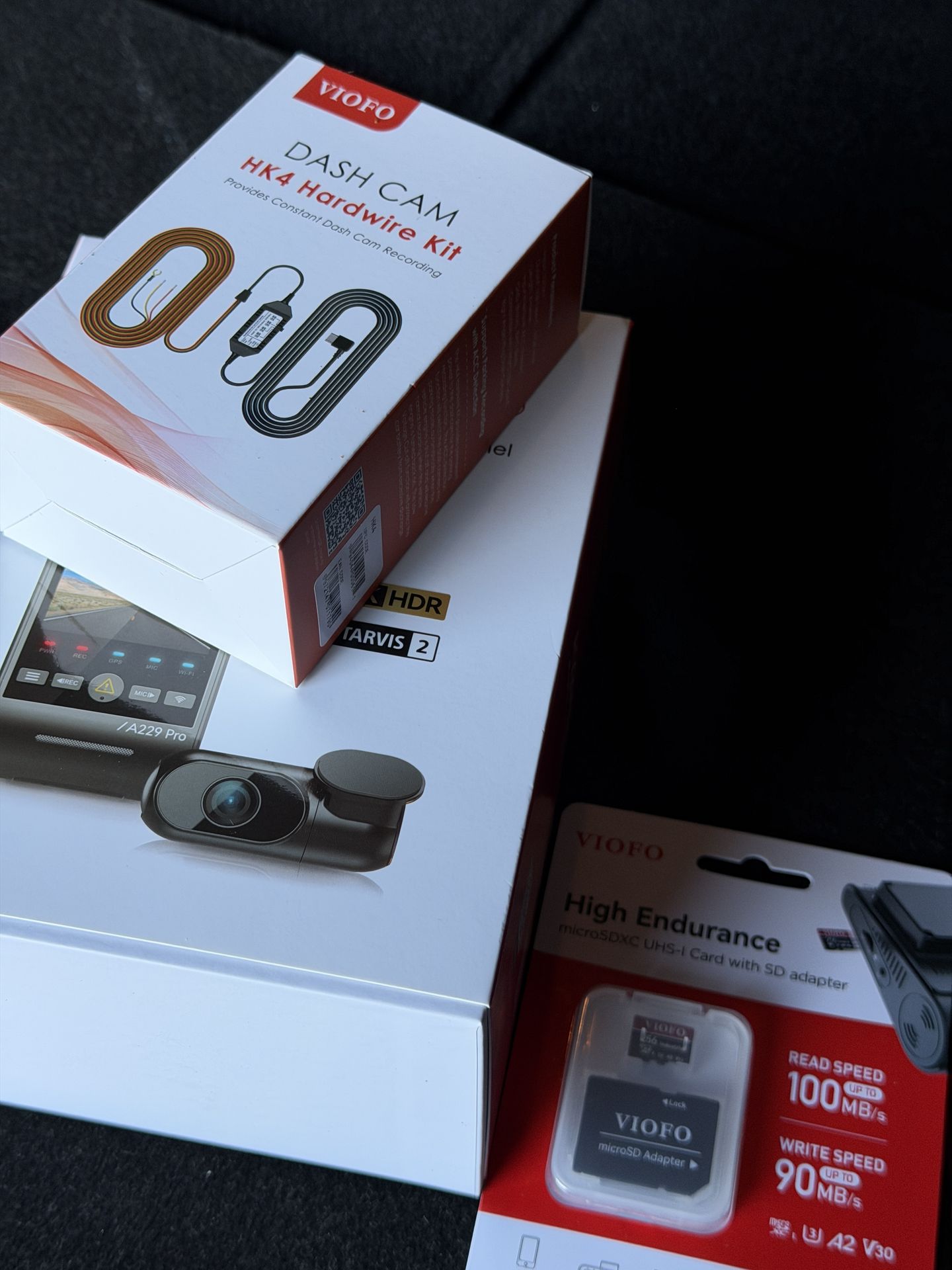
A hardwiring kit is a power module that permanently connects a dashcam to the vehicle’s fuse box, allowing the camera to automatically turn on and off with the ignition while enabling parking mode recording when the vehicle is switched off. Most quality hardwiring kits include an adjustable low voltage cutoff system designed to protect the starter battery by automatically disconnecting power once voltage drops below a preset threshold, commonly 11.8V, 12.0V, 12.2V, or 12.4V on traditional 12V lead-acid vehicles. On EV and HEV vehicles, the 12V battery is typically much smaller and managed differently by the vehicle’s high-voltage system, making them significantly more sensitive to continuous battery drain and low-voltage conditions. Because of this, higher cutoff values such as 12.2V or 12.4V are strongly recommended on EVs and HEVs to reduce the risk of battery faults, warning lights, vehicle sleep issues, or no-start conditions. Continuous parking modes such as motion detection, auto-event detection, or timelapse recording may only last a few hours on many EV and HEV vehicles without a dedicated dashcam battery pack.
Battery Packs
A dashcam battery pack is a dedicated lithium iron phosphate (LiFePO₄) auxiliary battery designed to power the dashcam independently from the vehicle’s starter battery while parked, greatly extending parking mode duration and reducing strain on the vehicle’s electrical system. Battery packs typically charge automatically while driving and can power a dashcam for several hours to over 24 hours depending on camera settings, surrounding activity, and battery capacity. They are strongly recommended for power-intensive parking modes such as motion detection, auto-event detection, or timelapse recording, especially on EV and HEV vehicles where the factory 12V battery is smaller, more sensitive to discharge, and closely monitored by the vehicle’s energy management system. Common examples include the VIOFO BP100 and BlackVue B-130A.
Memory cards
One of the most overlooked causes of dashcam issues is the microSD card itself. Dashcams continuously overwrite video files, creating far more stress on memory cards than normal consumer usage. Standard microSD cards are often not designed for this workload and may become corrupted, slow down, or fail prematurely, potentially causing recording gaps or missing footage without obvious warning signs.
For optimal reliability, high-endurance microSD cards rated U3 / V30 or higher are strongly recommended, preferably models specifically designed for surveillance or dashcam applications.
Recommended options include the Samsung PRO Endurance, SanDisk MAX Endurance, Kingston High Endurance, BlackVue microSD Card, and VIOFO Industrial High Endurance Card. Regular formatting and periodic health checks are also recommended to maintain recording stability over time.
Dashcam Maintenance Routine
To maintain reliable recording performance and maximise the lifespan of the dashcam system, regular maintenance is strongly recommended. MicroSD cards should be formatted directly through the dashcam approximately every 4 to 8 weeks depending on usage, as continuous video rewriting can gradually corrupt file structures over time. The camera lens and windscreen area should also be cleaned regularly to maintain image clarity, especially on vehicles exposed to dust, heat, fingerprints, or interior condensation.
Firmware updates should be checked periodically to improve stability, compatibility, parking mode behaviour, and overall performance. It is also recommended to occasionally review recorded footage and event files to confirm the system is operating correctly, as dashcam issues are often only discovered after an incident occurs. Vehicles regularly parked under extreme heat may experience accelerated wear on memory cards and batteries, making high-endurance microSD cards and proper battery protection settings even more important for long-term reliability.
3 - Our recommendations
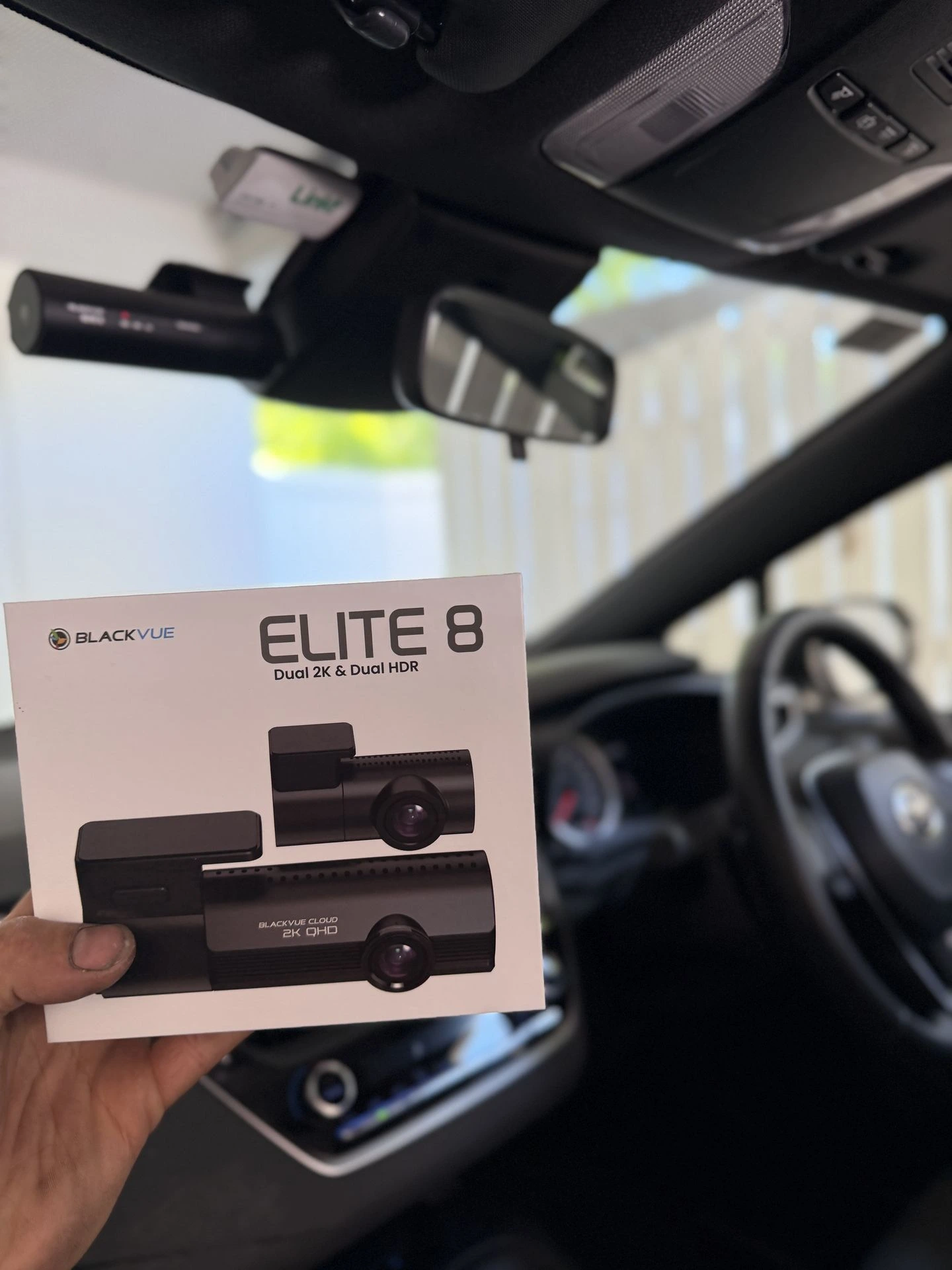
We strongly recommend choosing established and proven dashcam brands for long-term reliability, parking mode stability, firmware support, and overall recording performance. Our most recommended brands are BlackVue for premium cloud-connected systems, Thinkware for advanced parking mode technology and reliability, and VIOFO for excellent image quality, screen, and value.
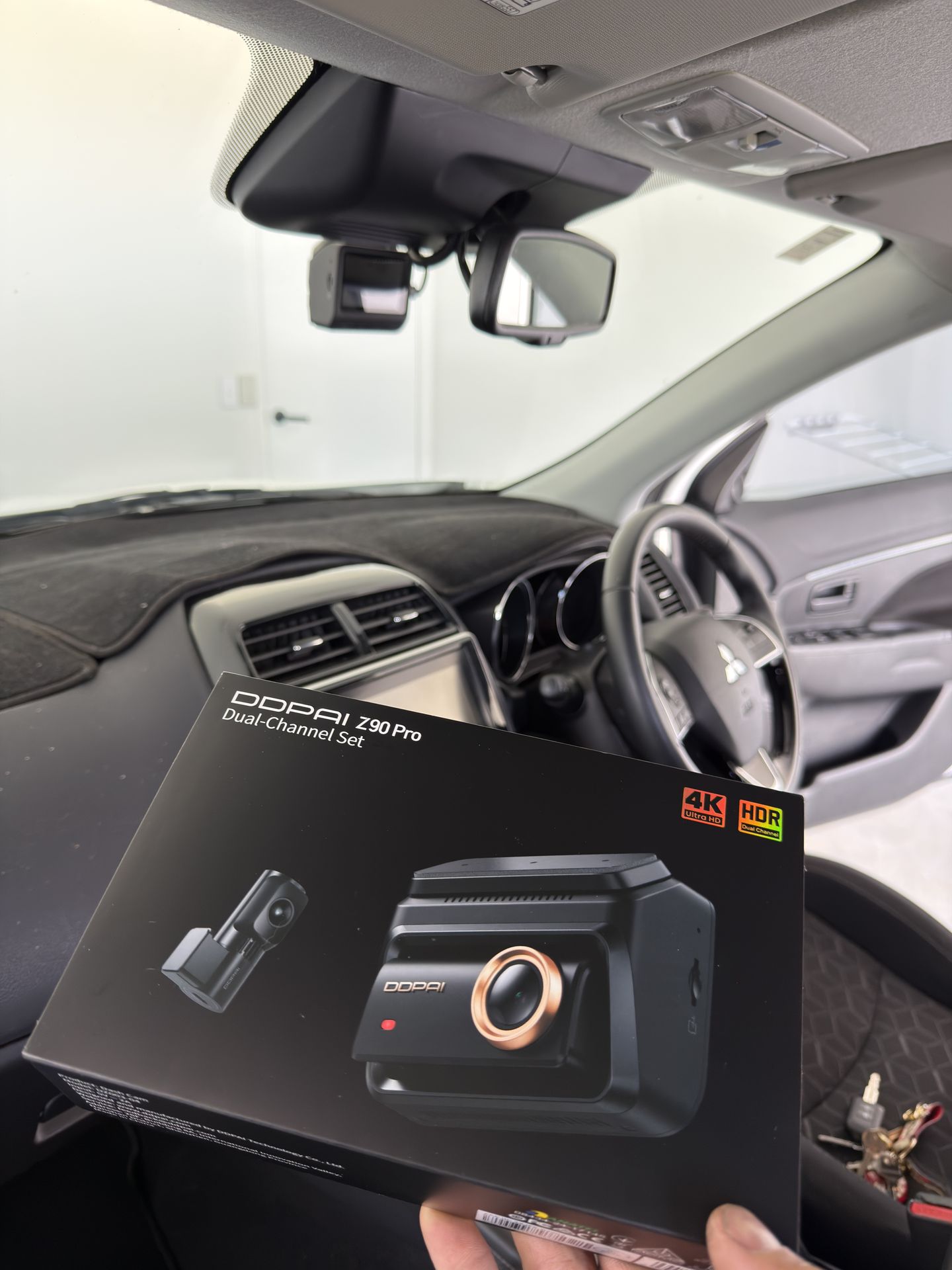
We also recommend selected models from Garmin, Vantrue, Redtiger, Wolfbox, DDPAI depending on the application and customer requirements.
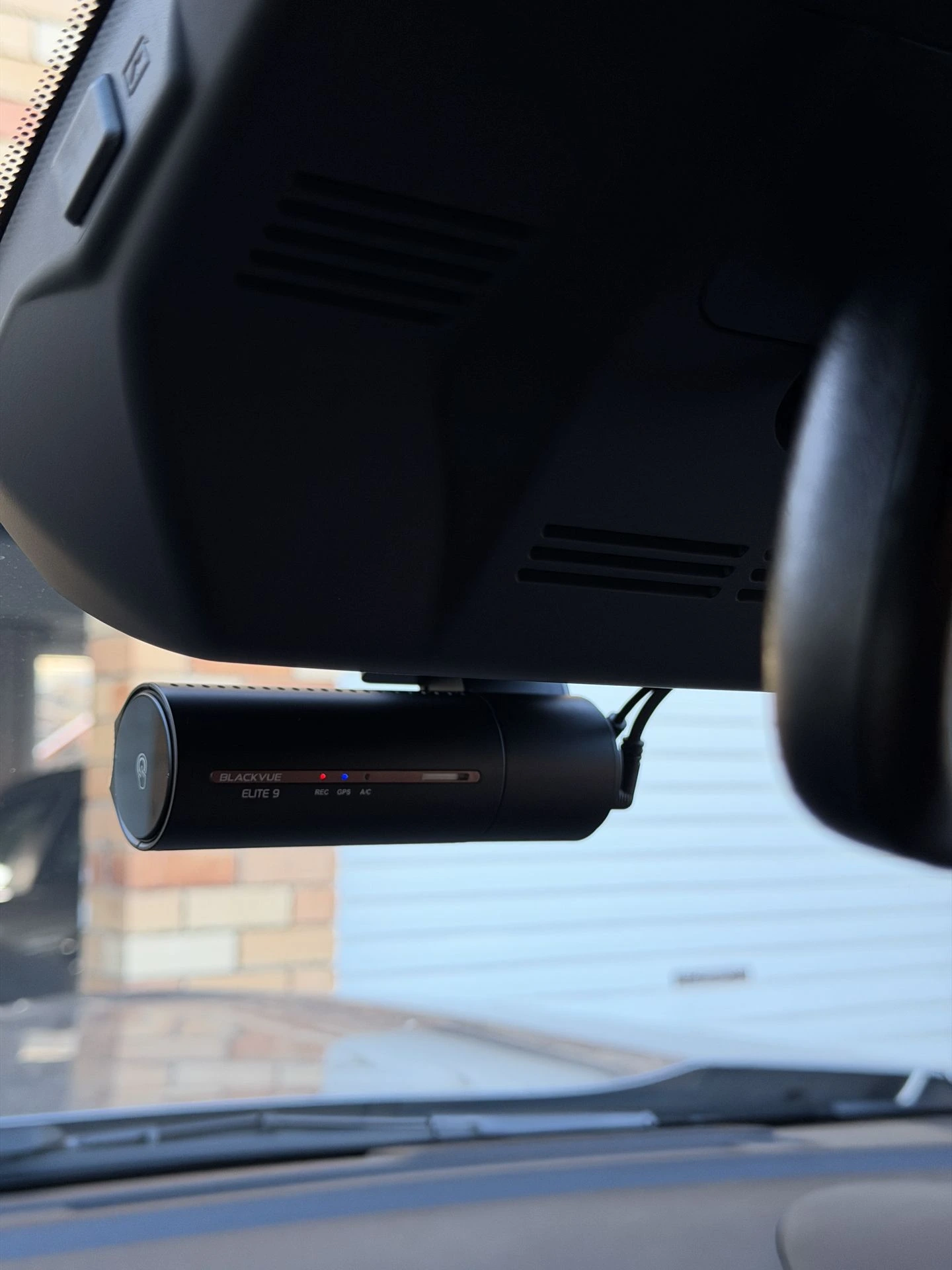
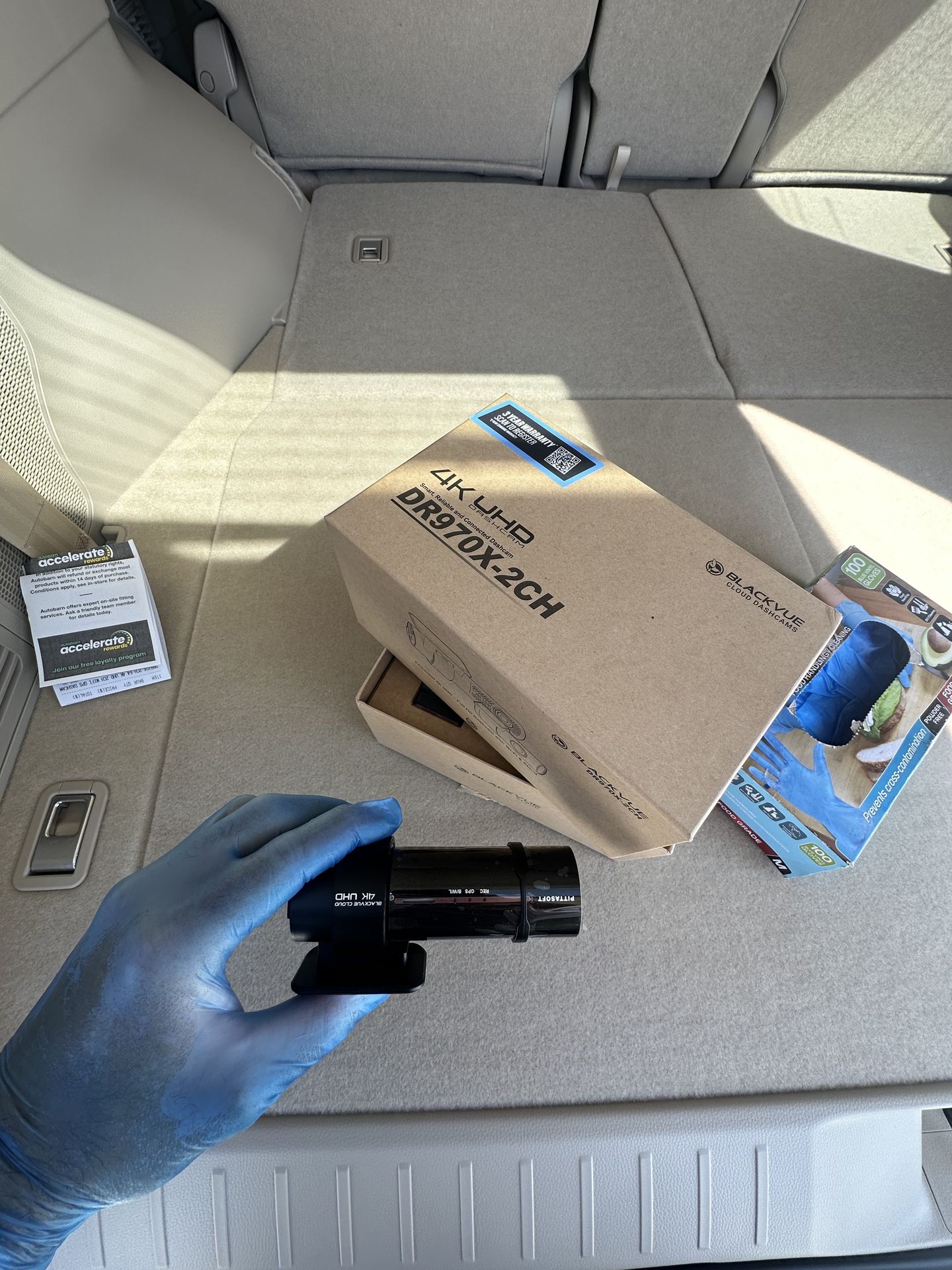
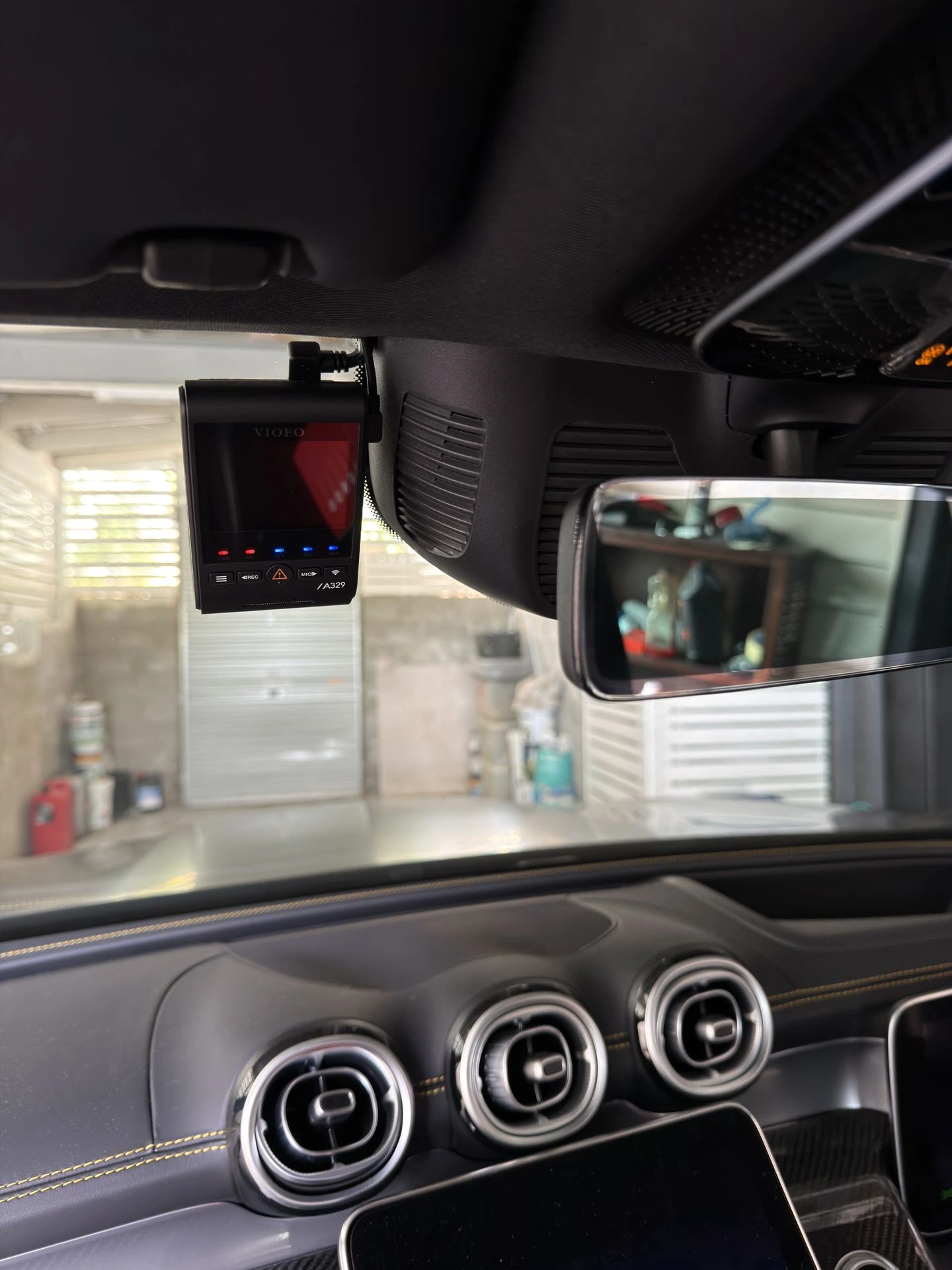
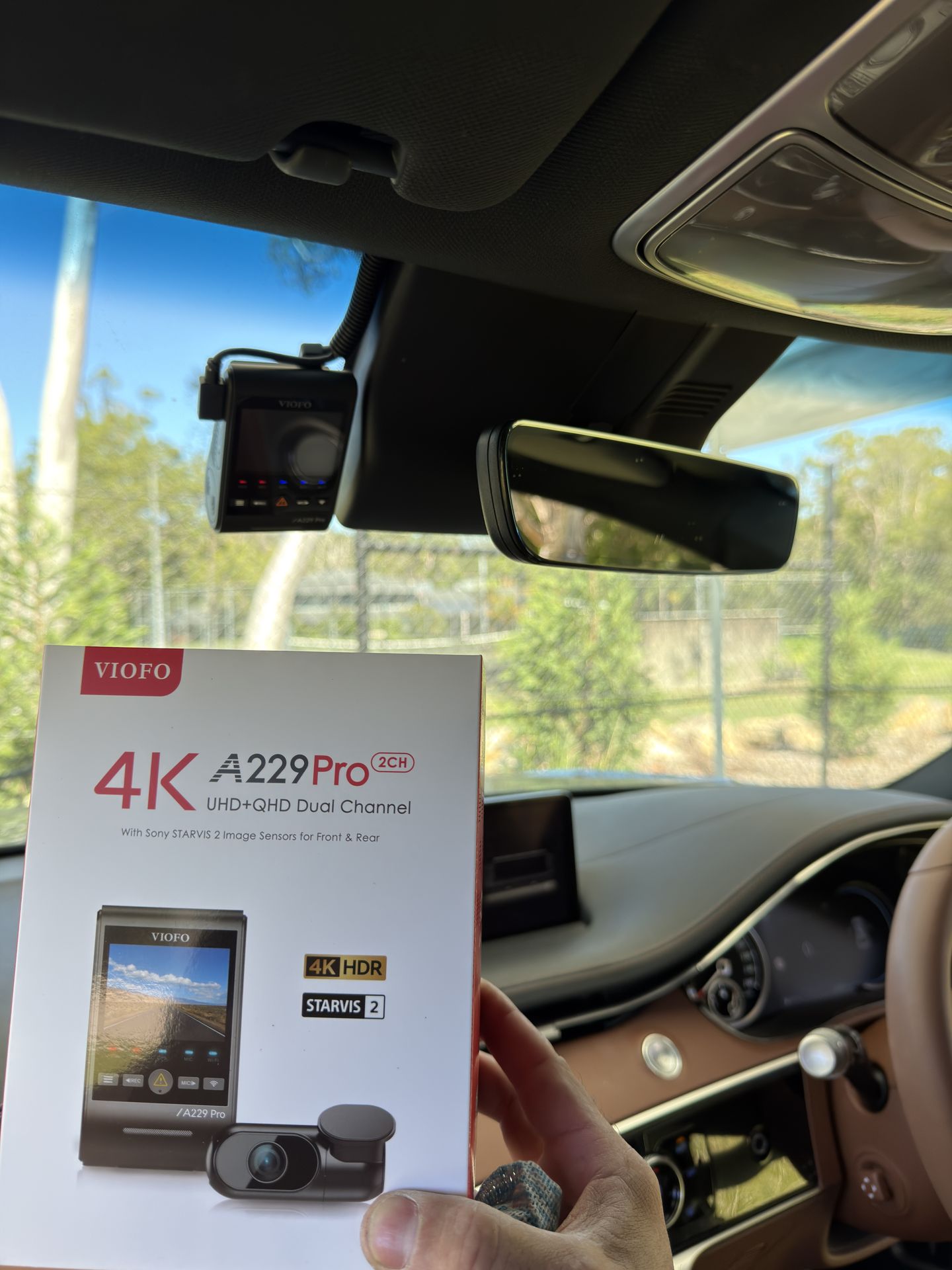
Our peferred models : VIOFO A229PRO, A329S, Blackvue Elite 9, Elite 10, DR970X, Thinkware U3000, Redtiger F7NT
Advanced Dashcam Comparison Table
|
Feature |
BlackVue Elite 9 |
BlackVue Elite 10 |
Thinkware U3000 |
VIOFO A229 Pro |
VIOFO A329S |
DriveVision |
Redtiger F7NT |
|---|---|---|---|---|---|---|---|
|
Front Resolution |
4K UHD |
4K UHD |
4K UHD |
4K UHD |
4K UHD |
4K UHD |
4K UHD |
|
Rear Resolution |
Full HD |
Full HD / 2K |
2K QHD |
2K QHD |
2K QHD |
Full HD |
Full HD |
|
Front Sensor |
Sony STARVIS 2 IMX678 |
Sony STARVIS 2 IMX678 |
Sony STARVIS 2 IMX678 |
Sony STARVIS 2 IMX678 |
Sony STARVIS 2 IMX678 |
Sony IMX415* |
Sony IMX415 |
|
Rear Sensor |
Sony STARVIS |
Sony STARVIS 2 / STARVIS* |
Sony STARVIS 2 IMX675 |
Sony STARVIS 2 IMX675 |
Sony STARVIS 2 IMX675 |
Sony STARVIS* |
Sony IMX335 |
|
HDR |
Yes |
Yes |
Yes |
Yes |
Yes |
Yes |
Yes |
|
Wi-Fi |
Dual-band |
Dual-band |
Dual-band |
Dual-band |
Wi-Fi 6 |
Yes |
Yes |
|
Cloud Connectivity |
Native |
Native |
Optional hotspot |
No native cloud |
No native cloud |
No |
No |
|
GPS |
Built-in |
Built-in |
Built-in |
Built-in |
Built-in |
Built-in |
Built-in |
|
Max SD Support |
512GB |
512GB |
512GB |
512GB |
512GB / 1TB* |
256GB |
256GB |
|
Buffered Parking |
Yes |
Yes |
Yes |
Yes |
Yes |
No |
Partial |
|
Motion Detection |
Yes |
Yes |
Yes |
Yes |
Yes |
No |
Yes |
|
Impact Detection |
Yes |
Yes |
Yes |
Yes |
Yes |
Yes |
Yes |
|
Timelapse Parking |
Yes |
Yes |
Yes |
Yes |
Yes |
Yes |
Yes |
|
Low Bitrate Parking |
Yes |
Yes |
Energy Saving equivalent |
Yes |
Yes |
No |
Limited |
|
Radar Parking Mode |
No |
No |
Yes (built-in) |
No |
No |
No |
No |
|
Energy Saving Mode |
Yes |
Yes |
Yes |
No |
No |
No |
No |
|
Heat Resistance |
Excellent |
Excellent |
Excellent |
Good |
Excellent |
Average |
Average |
|
Firmware Maturity |
Excellent |
Excellent |
Excellent |
Good |
Newer platform |
Average |
Average |
|
App Stability |
Excellent |
Excellent |
Good |
Good |
Improved |
Average |
Average |
|
Reliability Reputation |
Excellent |
Excellent |
Excellent |
Very Good |
Very Good |
Good |
Good |
|
Warranty |
Up to 3 years |
Up to 3 years |
2–3 years |
18 months |
18 months |
1 year |
? |
|
Main Strength |
Premium cloud |
Latest BlackVue platform |
Best parking surveillance |
Best value/performance |
Highest bitrate VIOFO |
Affordable simplicity |
Cheap feature-rich |
|
Main Weakness |
Expensive ecosystem |
Expensive ecosystem |
High entry price |
Less premium ecosystem |
New platform maturity |
No buffered motion parking |
Reliability/support concerns |
|
PT Recommendation |
Strong |
Strong |
Strongest parking |
Strong |
Strong |
Entry-level |
Budget only |
Sensor Notes
- Sony IMX678 (STARVIS 2) is currently one of the strongest dashcam sensors available for 4K applications, offering excellent low-light sensitivity, HDR performance, and plate clarity at night.
- Sony IMX675 (STARVIS 2) is widely considered one of the best rear-camera sensors currently used in premium dashcams due to strong night performance and low noise levels.
- Thinkware U3000, VIOFO A229 Pro and the latest premium BlackVue systems all rely heavily on Sony STARVIS 2 technology, which currently dominates the premium dashcam market.
- Redtiger F7NT uses older-generation Sony sensors with heavier compression and lower ecosystem maturity, despite strong advertised specifications.
Parking Mode Technology Ranking
|
Rank |
Brand |
Parking Technology Level |
|---|---|---|
|
1 |
Thinkware U3000 |
Built-in radar buffered parking + ultra low power |
|
2 |
BlackVue Elite 9, 10 |
Mature buffered cloud parking ecosystem |
|
4 |
VIOFO A329S |
Advanced bitrate/timelapse buffered system, up to 1TB storage |
|
5 |
VIOFO A229 Pro |
Excellent value with great specs |
Important Technical Distinction
True Buffered Parking Systems
Brands like:
- BlackVue
- Thinkware
- VIOFO
continuously keep part of the camera active so footage before and after an incident is saved.
Basic Parking Systems
Brands like:
- DriveVision
- many budget Amazon brands
mainly rely on:
- impact-trigger recording
- timelapse recording
- post-event capture
This means:
- less precise evidence capture
- higher chance of missing the beginning of incidents
- reduced forensic usefulness during hit-and-runs or vandalism events.